Winter: The prime time for structural pruning
Winter dormancy is the ideal time to assess the structural integrity of your trees while leaves are off the branches. In the Hull climate, this period allows for clean cuts that heal quickly before the spring growth flush. It is easier to identify crossed, rubbing, or damaged limbs when the canopy is bare.
Since winter is often the safest time for major maintenance, you might consider trimming in Hull to mitigate potential damage from winter storms. Always consult with a certified arborist if you notice significant decay or lean, as these indicate a risk that requires professional assessment.
- Remove dead, dying, or diseased branches.
- Prune to improve canopy structure.
- Monitor for signs of winter-hardy pests.
Spring: Monitoring growth and bloom cycles
As temperatures rise in Northeast Georgia, focus your attention on the health of your trees as they break dormancy. Spring is a critical time for monitoring potential pest infestations and fungal issues that thrive in the warming, humid conditions common in Madison County.
According to the Georgia Tree Authority, proper moisture management during the spring growth surge is essential. If you observe wilting leaves or unusual discoloration early in the season, contact a professional to diagnose underlying soil or pathogen problems before they spread.
- Check for emerging pest activity.
- Ensure adequate mulch layers are preserved.
- Look for fungal growth on bark or roots.
Summer: Managing heat stress and storm hazards
Summer in Georgia brings high temperatures and frequent thunderstorms. Drought conditions can quickly stress mature trees, making them more susceptible to pests and diseases. Providing supplemental water during dry spells is vital for maintaining tree vigor.
High winds and heavy rain also expose weaknesses in tree structure. If you have concerns about the stability of large trees near your home, professional tree removal in Hull may be necessary to prevent property damage. Avoid heavy pruning during the hottest weeks, as it can stress the tree and leave it vulnerable to sunscald.
- Deep water trees during extended dry periods.
- Monitor for signs of drought stress or wilting.
- Remove hanging debris or broken limbs after heavy storms.
Fall: Preparing for winter dormancy
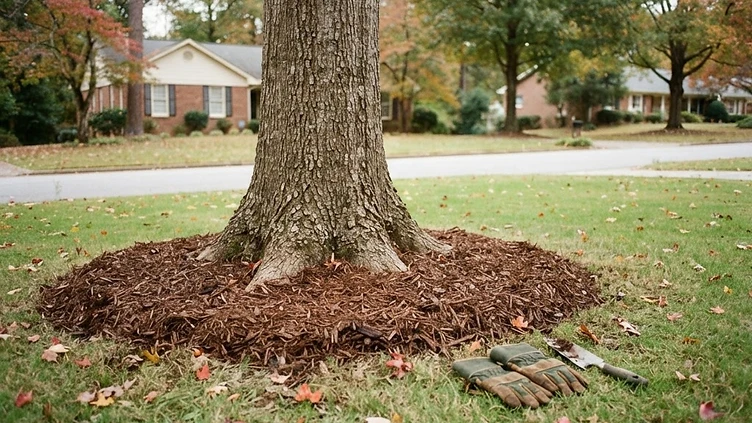
Fall is the time to finalize your tree health checklist before the trees enter winter dormancy. While you should avoid heavy pruning during this season, it is the perfect time for mulching and soil management. Adding a fresh layer of organic mulch helps regulate soil temperature and retain moisture throughout the winter months.
Keep an eye on tree health as leaves change color. Some leaf drop is natural, but premature browning or shedding can signal issues that occurred earlier in the summer. A healthy approach to general tree service in Hull ensures your landscape is prepared for the coming cold season.
- Apply mulch around the base of trees.
- Inspect for any remaining hazardous branches.
- Clean up fallen debris to reduce disease spread.
Common questions
Sources and further reading
- Seasonal Tree Care Calendar for Georgia: Month-by-Month Maintenance Guide — Georgia Tree Authority