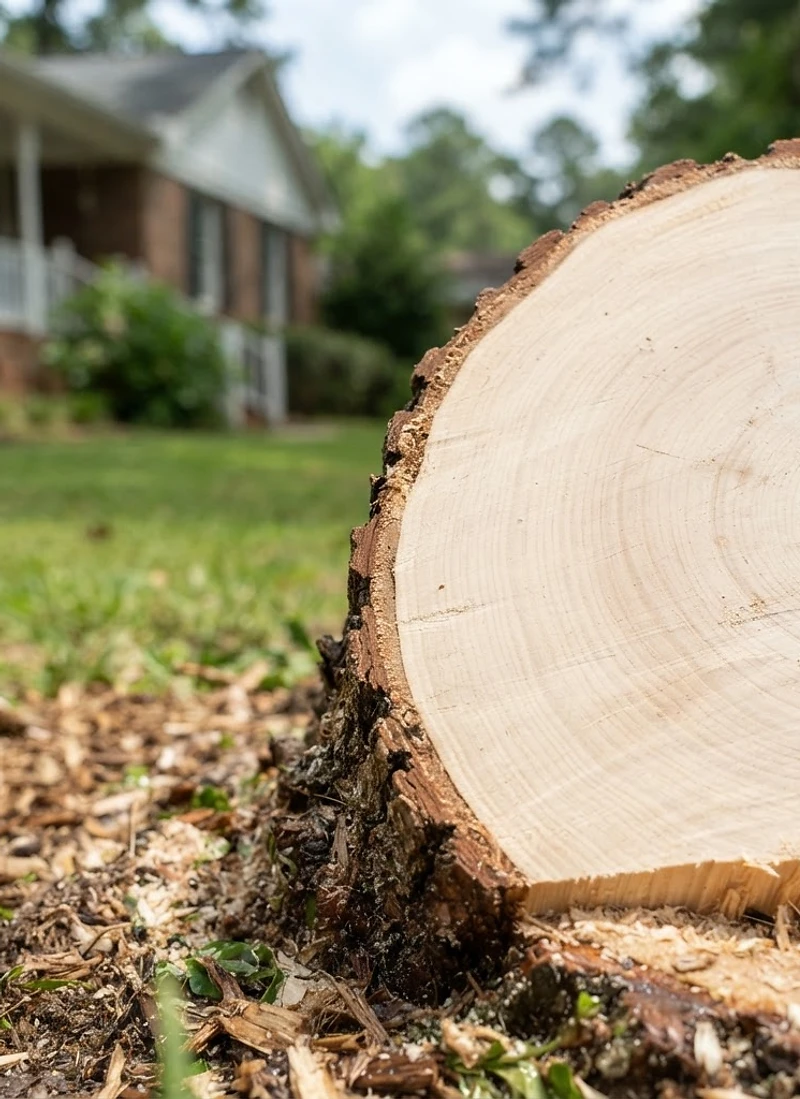
The Process
Standard Removal Procedure
The systematic removal of a tree involves several distinct technical phases to maintain site safety and control the fall direction.
- 1
Site assessment and rigging
The site is cleared of obstacles, and high-strength ropes are attached to the upper branches to guide the tree's fall or secure sections during dismantling.
- 2
Directional felling
Precision cuts are made into the trunk to create a hinge, ensuring the tree lands in a pre-determined clearing away from structures or power lines.
- 3
Sectional dismantling
For trees near buildings, climbing or bucket access allows for the removal of limbs and trunk segments one at a time to prevent accidental impact damage.
Planning Requirements
Managing Local Site Conditions
Residential tree work in this region is frequently influenced by soil saturation and the prevalence of severe weather events.
During the peak hurricane season from June through November, high winds and wet ground can compromise the integrity of mature root systems. Before removing a tree, inspect the ground surrounding the base for heaving soil or exposed roots, as these are clear indicators of potential instability.
Local municipal ordinances may restrict the removal of certain mature or protected tree species. Consult the town planning office or zoning department to determine if your property requires a permit for the proposed work, particularly if the specimen contributes significantly to the local canopy.
Finally, consider the long-term impact on your property's drainage. Trees help manage water absorption in the yard, so removing a large specimen may necessitate regrading or soil amendments to prevent standing water in the affected area.
- Verify permit necessity
- Assess soil stability
- Plan debris logistics
- Identify structural threats
Always verify current ordinances, as local regulations regarding protected species change periodically.
Financial Factors
What Affects the Cost
Several physical factors influence the effort required to safely remove a tree from your property.
Height
Larger trunks require more time and heavier equipment to section and transport safely.
Location
Trees located in confined spaces or far from street access may require specialized rigging and manual labor.
Condition
Dying or leaning trees can be more unpredictable to dismantle than healthy, straight specimens.
Requesting a quote is free and carries no obligation.
Warning Signs
When to Consider Removal
Recognizing the signs of irreversible decline helps you address safety concerns before a tree fails.
Fungal growth
Mushrooms or shelf fungi at the base often indicate internal trunk decay.
Cracked bark
Deep, vertical fissures in the main trunk suggest that the tree is under structural stress.
Dead branches
Widespread canopy dieback or brittle limbs pose a hazard to structures below.
Post-Removal
Handling the Stump
The stump is typically addressed as a separate task following the removal of the tree trunk.
Stump grinding
A mechanical grinder chips the wood to several inches below the surface, allowing for lawn or mulch installation.
Stump removal
Total extraction of the root ball is more intensive and often involves excavating the surrounding soil.
Natural decay
The stump is left to decompose over time, though this can attract insects if not treated.
Debris Options
Material Disposal
Understanding how debris is handled helps you prepare your property for the aftermath of the removal.
- Site StateFull Removal:Complete removal of debrisOn-site Retention:Debris remains on property
- Material FormFull Removal:Converted to mulch/chipsOn-site Retention:Left as logs/branches
- Space ImpactFull Removal:Area cleared for accessOn-site Retention:Area occupied by material
Related pages
More tree service help in Hull
Jump to a related page for more detail.
All tree service services in Hull
Compare the tree service options available in Hull and see what each one covers.
Read moreLand Clearing in Hull
What land clearing involves in Hull, what affects the cost, and how to request a quote.
Read moreTrimming in Hull
What trimming involves in Hull, what affects the cost, and how to request a quote.
Read moreFAQs
Common questions about tree removal in Hull
Service area
Areas we cover for Tree Removal
Every area below has published coverage. Your request is matched by ZIP code to the professional whose confirmed service territory covers your address.
- Hull, GA
Areas outside this list are not covered yet — coverage grows as new local professionals join. Submit your ZIP code and we'll match your request to the closest available coverage.
Homeowner Guides
Tree Removal guides and advice
Independent, homeowner-focused reading before you request quotes.
A Seasonal Tree Maintenance Calendar for Hull Homeowners
Maintain your property value and ensure safety with a seasonal guide to tree care tailored for the climate of Hull, Georgia.
Read moreHow to Prepare for Land Clearing: What Happens on the Day
Preparing for professional land clearing requires more than just clearing the space. Learn what to expect on the day the crew arrives in Hull to manage your site efficiently.
Read more