The Process
How Professional Bee Removal Works
The management of a bee colony typically follows a structured sequence designed to relocate the swarm safely or neutralize the threat.
- 1
Initial Assessment
A professional arrives to inspect the structure, identifying the point of entry and the extent of the colony development within wall voids or eaves.
- 2
Colony Management
The colony is either relocated using specialized vacuums or managed through methods suitable for the specific species and hive location.
- 3
Honeycomb Extraction
Once the bees are managed, the honeycomb must be physically removed from the wall cavity to prevent wax melting, honey seepage, and secondary pests.
- 4
Area Sealing
The entry points are sealed with professional-grade materials to prevent future swarms from utilizing the same hollow spaces.
Investment
What Affects the Cost
The total price for extracting a colony is determined by several physical factors that change the complexity of the job.
Complexity
Nests located in high attics or deep within masonry walls require more labor and potentially structural demolition to reach.
Duration
Older, established colonies contain more wax and honey, which requires significantly more time to clean and sanitize than a new swarm.
Demolition
If siding or drywall must be removed to access the comb, the cost of labor increases accordingly compared to non-invasive removals.
Final pricing is set by the provider after they have assessed the hive's size and location.
Safety
Warning Signs of a Hive
Recognizing signs of a hive early can prevent the colony from growing into a larger, more difficult problem.
Persistent Buzzing
Consistent, low-frequency buzzing sounds audible from inside the wall or ceiling cavity indicate an active nest.
Visible Wax or Honey
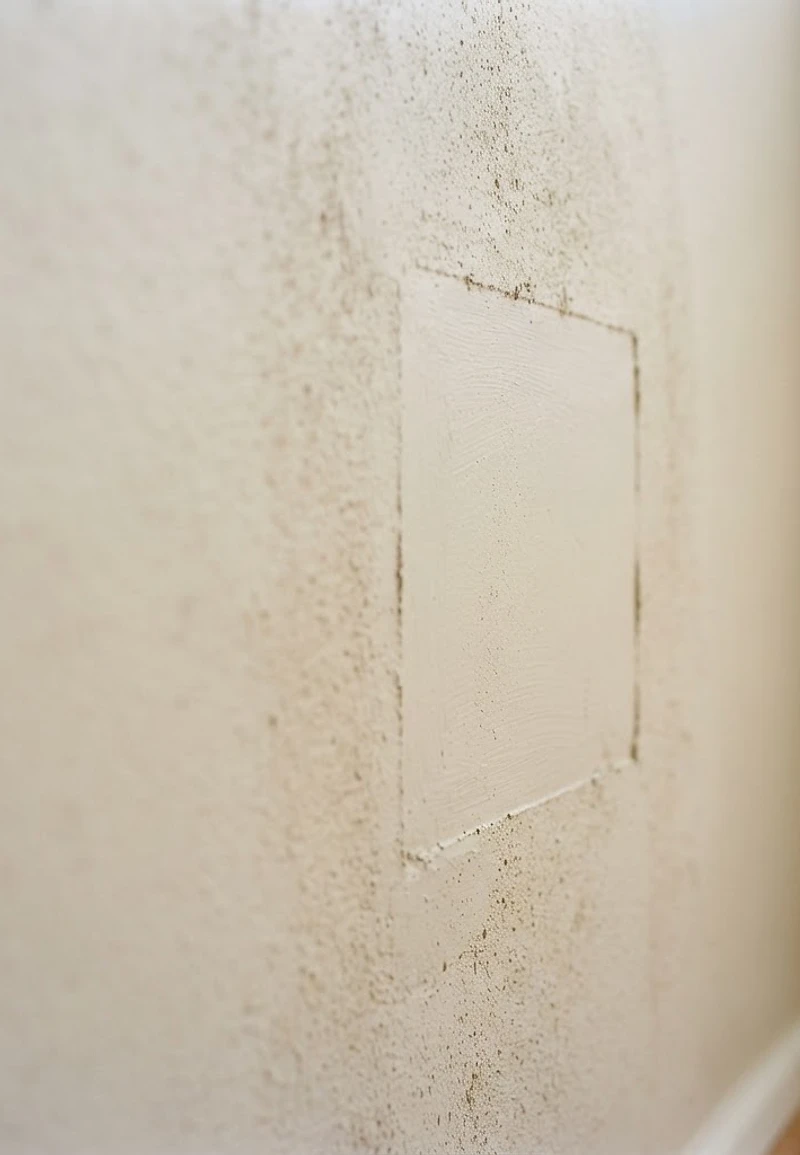
Dark, sticky patches appearing on the surface of interior drywall or exterior siding are often signs of honey melting or leaching from a hive.
Heavy Influx
A high volume of bees entering and exiting a specific crack in your home's exterior indicates a established hive entrance.
Local Context
Managing Bee Activity in Humid Climates
The tropical environment in Homestead creates specific challenges for homeowners dealing with bee colonies.
High humidity levels can cause the wax structures of a hive to soften and melt more quickly than in drier climates. This leads to the potential for honey to seep through wall voids, which creates messy residue that is difficult to clean and acts as a beacon for other insects, including ants and roaches.
Because the region experiences warm winters, bees remain active throughout the year, meaning colonies can continue to grow and expand without a seasonal dormancy period. This year-round growth cycle means that if you identify an entry point, it is advisable to address it sooner rather than later.
Professional removal in such an environment must include complete cleaning of the site to remove the scent of the pheromones left by the previous colony. If the old honeycomb and wax are not thoroughly cleaned, the area may attract future swarms that seek out the scent of a former hive.
- Check for moisture-damaged wood
- Seal exterior siding gaps
- Monitor for leaking honey
- Inspect near agriculture zones
Ensure all moisture-prone areas of the exterior are regularly inspected for entry gaps.
Related pages
More pest control help in Homestead
Jump to a related page for more detail.
All pest control services in Homestead
Compare the pest control options available in Homestead and see what each one covers.
Read moreGeneral Pest in Homestead
What general pest involves in Homestead, what affects the cost, and how to request a quote.
Read moreTermite in Homestead
What termite involves in Homestead, what affects the cost, and how to request a quote.
Read moreRodent in Homestead
What rodent involves in Homestead, what affects the cost, and how to request a quote.
Read moreFAQs
Common questions about bee removal in Homestead
Service area
Areas we cover for Bee Removal
Every area below has published coverage. Your request is matched by ZIP code to the professional whose confirmed service territory covers your address.
- Homestead, FL
Areas outside this list are not covered yet — coverage grows as new local professionals join. Submit your ZIP code and we'll match your request to the closest available coverage.
Homeowner Guides
Bee Removal guides and advice
Independent, homeowner-focused reading before you request quotes.
How Often Should Homestead Homeowners Book Bed Bug Treatment?
Discover how often you should inspect and treat for bed bugs in your Homestead home and why consistent monitoring is key to preventing infestations.
Read moreWhat Pest Control Costs in Homestead and What Changes the Price
Learn what factors influence the price of professional pest control in Homestead, Florida, and how to manage recurring home protection needs.
Read more