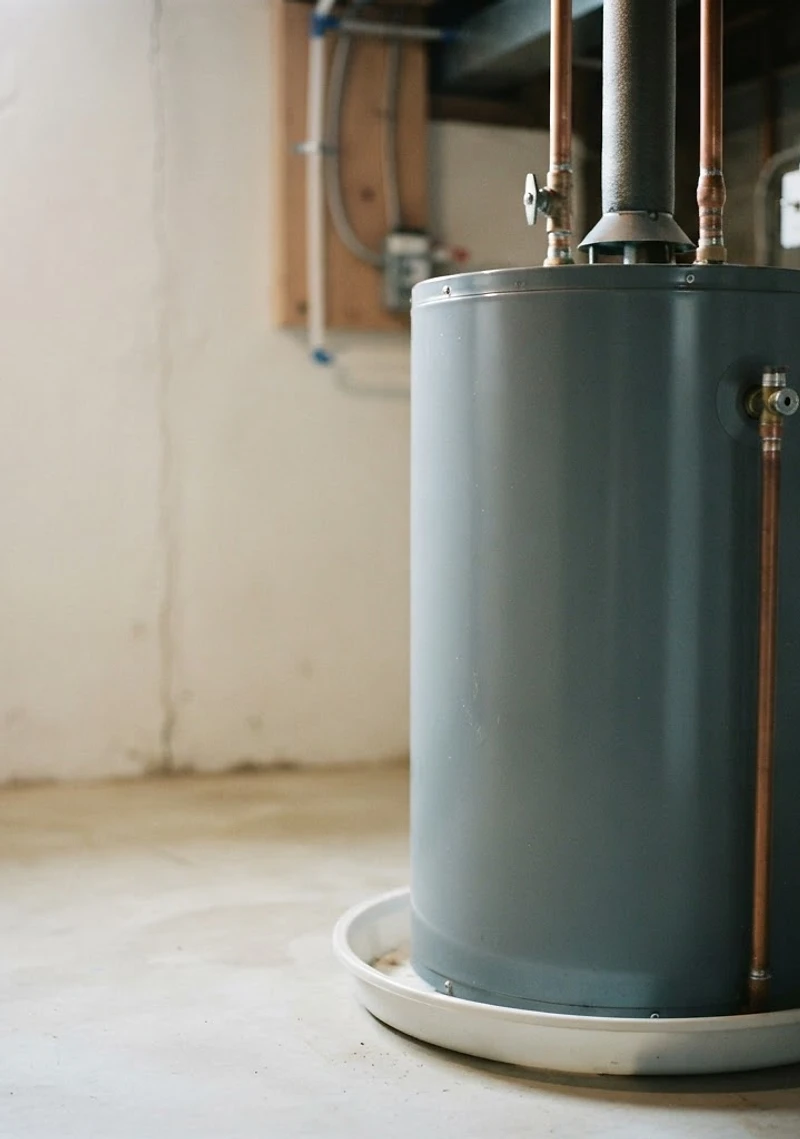
The Process
What the Work Involves
Understanding the sequence helps you prepare for a technician's arrival.
- 1
Diagnostic Assessment
The technician tests electrical components or checks gas valves to isolate the cause of lukewarm water or leaks.
- 2
Draining the Tank
If the tank requires repair or replacement, it must be drained completely to prevent water damage during the swap.
- 3
Component Service or Swap
This involves replacing specific parts like thermostats or heating elements, or installing a new unit entirely.
Troubleshooting
Common Warning Signs
These indicators often suggest that your system requires attention.
Discolored Water
Rusty or brownish water often indicates internal tank corrosion or a failing anode rod.
Inconsistent Temperatures
Fluctuating water heat can point to a faulty dip tube or failing heating elements in electric units.
Unusual Noises
Popping or rumbling sounds usually signify a significant buildup of sediment at the bottom of the tank.
Decision Making
Repair Versus Replacement
Deciding between fixing a current unit and installing a new one depends on several factors.
- GoalRepairing the Unit:Extend existing system lifeReplacing the Unit:Install newer, more efficient tech
- AgeRepairing the Unit:Generally under 10 yearsReplacing the Unit:Over 10-12 years
- EfficiencyRepairing the Unit:Maintain current usage levelsReplacing the Unit:Improve performance and energy savings
Maintenance
Preventing Sediment Buildup
Regular maintenance is crucial for longevity.
In many Delaware County homes, mineral-rich water can lead to rapid sediment accumulation at the base of the tank. This layer acts as an insulator, forcing the unit to work harder to heat water, which accelerates tank wall fatigue.
Flushing the tank annually removes this debris and improves efficiency. To do this, attach a garden hose to the drain valve, direct it toward a floor drain, and allow the water to run until it is clear. Always turn off the power or gas supply to the unit before beginning this process.
Keep these maintenance points in mind:
- Flush your tank at least once per year.
- Check the anode rod every three years.
- Monitor the temperature-pressure relief valve.
- Verify the surrounding area remains clear.
If you are uncomfortable performing these tasks, request assistance from a professional.
Budgeting
What Affects the Cost
Several factors influence the final cost of service.
System Complexity
Moving from a standard tank to a tankless system requires significant plumbing and gas line modifications.
Location
Units located in tight closets or crawlspaces require more labor time to access and service.
Compliance
Replacement sometimes necessitates updating nearby piping or ventilation to meet current local building codes.
Providers set final prices after a site assessment; request a quote to understand your specific requirements with no obligation.
Related pages
More plumbing help in Delaware County
Jump to a related page for more detail.
All plumbing services in Delaware County
Compare the plumbing options available in Delaware County and see what each one covers.
Read moreLeak Repair in Delaware County
What leak repair involves in Delaware County, what affects the cost, and how to request a quote.
Read moreToilet Repair in Delaware County
What toilet repair involves in Delaware County, what affects the cost, and how to request a quote.
Read moreFaucet Repair in Delaware County
What faucet repair involves in Delaware County, what affects the cost, and how to request a quote.
Read moreFAQs
Common questions about water heater in Delaware County
Service area
Areas we cover for Water Heater
Every area below has published coverage. Your request is matched by ZIP code to the professional whose confirmed service territory covers your address.
- Delaware County, PA
Areas outside this list are not covered yet — coverage grows as new local professionals join. Submit your ZIP code and we'll match your request to the closest available coverage.